Dead 12V battery: the most common breakdown on hybrid and electric cars
Your hybrid or electric car refuses to start even though the main battery is charged? The small 12V battery is very often to blame. Symptoms, causes and solutions.
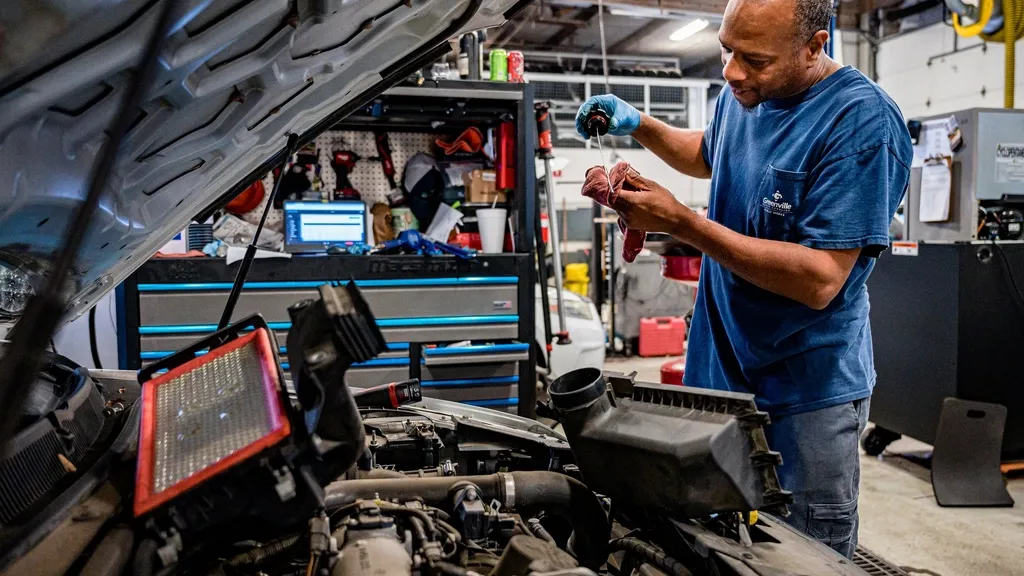
It surprises many owners: a hybrid or electric car with a large, fully charged traction battery can be completely immobilised by a small 12-volt battery. Breakdown services regularly report it as one of the most frequent causes of call-outs, for electric cars as well as for combustion cars.
Why does an electric car still need a 12V battery?
The high-voltage battery (often 400 or 800 volts) powers the electric motor. But the car's computers, door locks, lights, screens and, above all, the contactors that connect the high-voltage battery are powered by a conventional 12V circuit. If the 12V battery is flat, the car cannot "wake up" and the high-voltage system stays disconnected.
When the car is switched on ("Ready" mode), a DC-DC converter recharges the 12V battery from the main battery. When the car is off, the 12V battery is on its own.
Typical symptoms
- The car does not react when you press the start button, or the dashboard flickers and switches off.
- The key fob no longer unlocks the doors.
- Warning messages appear one after another, sometimes incoherent (brakes, steering, airbags).
- A "12V battery" or "check charging system" warning is displayed.
The most common causes
- Long periods without driving: the electronics consume a small amount of current even when parked.
- Frequent remote access: checking the car through the smartphone app or preconditioning wakes up the systems.
- Accessories left on: dashcam in parking mode, interior lights, devices plugged into sockets.
- Age: a 12V battery generally lasts between 3 and 6 years, depending on climate and use.
- Very short trips that do not leave enough time to recharge it.
How to restart the car
- Read the owner's manual: on many hybrids the 12V battery is in the boot or under a seat, and dedicated jump-start terminals are provided under the bonnet.
- Use a portable jump starter or jump leads connected to another vehicle, respecting the polarity (red on +, black on the designated earth point).
- Once the car is in "Ready" mode, leave it switched on for at least 20 to 30 minutes, or drive, so the DC-DC converter can recharge the battery.
- Have the battery tested: a deeply discharged 12V battery is often damaged and may fail again soon.
Important: many manufacturers advise against using a hybrid or electric car to jump-start another vehicle. Check your manual before helping someone.
How to prevent it
- If the car stays parked for several weeks, connect a smart battery maintainer or follow the manufacturer's storage mode.
- Limit unnecessary app checks during long periods of inactivity.
- Have the 12V battery checked during each service, especially after 4 years.
- When replacing it, use the exact type specified by the manufacturer (often AGM or lithium), as the charging strategy of the car is designed for it.
A 12V battery costs far less than a breakdown at the worst moment. Checking it regularly is one of the simplest ways to keep your hybrid or electric car reliable.