Electric car maintenance: the complete checklist
No oil changes, no spark plugs, no timing belt: an electric car needs less maintenance, but not none. Here is what to check, and how often.
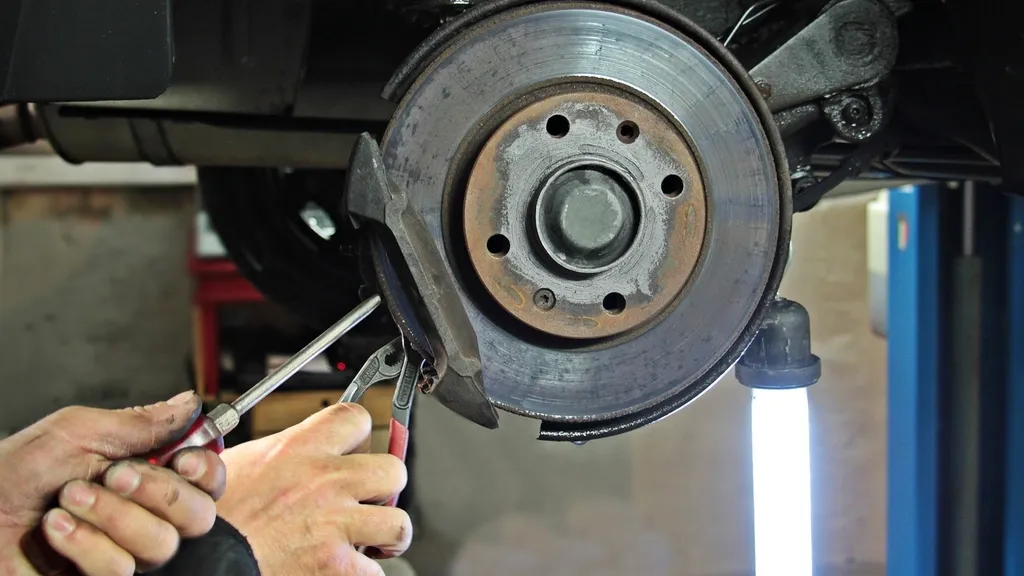
One of the advantages of an electric car is its lower maintenance cost. An electric motor has far fewer moving parts than a combustion engine: no engine oil, no oil filter, no spark plugs, no clutch and no exhaust system. Maintenance is simpler, but some checks remain essential for safety and reliability.
Tyres: the number one item
Electric cars are heavier than equivalent combustion cars and deliver their torque instantly, which tends to wear tyres faster.
- Check tyre pressure at least once a month: under-inflation increases wear and reduces range.
- Rotate tyres according to the manufacturer's recommendation if the car allows it.
- When replacing them, choose tyres with the load index and rating recommended for your car, ideally models designed for EVs.
Brakes: less wear, but watch for corrosion
Thanks to regenerative braking, the brake pads and discs of an electric car wear much more slowly. The downside is that discs used rarely can corrode or become glazed. Brake firmly from time to time in a safe place, and have the brakes inspected at each service.
The brake fluid absorbs moisture over time and must be replaced periodically, typically every two years, depending on the manufacturer.
Coolant: the battery's thermal management
Most electric cars use a liquid circuit to keep the battery, motor and electronics at the right temperature. The coolant level should be checked and the fluid replaced at the intervals specified by the manufacturer, which can be long but vary a lot from one model to another.
Cabin air filter and air conditioning
The cabin filter protects passengers from dust and pollen. Replace it about once a year, or more often in dusty or polluted areas. Air conditioning is also used to cool the battery on many models, so its correct operation matters.
The 12V battery
As in any car, the 12V battery ages. It is a frequent cause of breakdowns on electric cars, so have it tested at each service, especially after four years.
Suspension, steering and wipers
The extra weight of an electric car also puts stress on suspension parts and bushings. Have them inspected regularly, along with steering components, lights, wiper blades and washer fluid.
Software and battery health
Many updates are now installed over the air. Make sure they are applied. During the service, ask for a battery health report (State of Health, or SoH): it is useful information, especially if you plan to sell the car.
Suggested schedule
| Item | Frequency (indicative) |
|---|---|
| Tyre pressure | Every month |
| Tyre wear and rotation | Every 10,000 to 15,000 km |
| Cabin air filter | Every year |
| Brake inspection | Every year |
| Brake fluid | About every 2 years |
| 12V battery test | Every year after 3 years |
| Coolant | According to the manufacturer |
These intervals are indicative: always follow the service schedule in your owner's manual, as respecting it is generally required to keep the warranty valid, including the battery warranty.
And for hybrids?
Hybrid and plug-in hybrid cars combine both worlds: they still need oil changes, filters and spark plugs for their combustion engine, in addition to the checks above. Their brakes, however, also benefit from regenerative braking.