Solid-state batteries: what they will really change for electric cars
Faster charging, more range, better safety: solid-state batteries are often presented as the next revolution for EVs. Here is where the technology really stands and what drivers can expect.
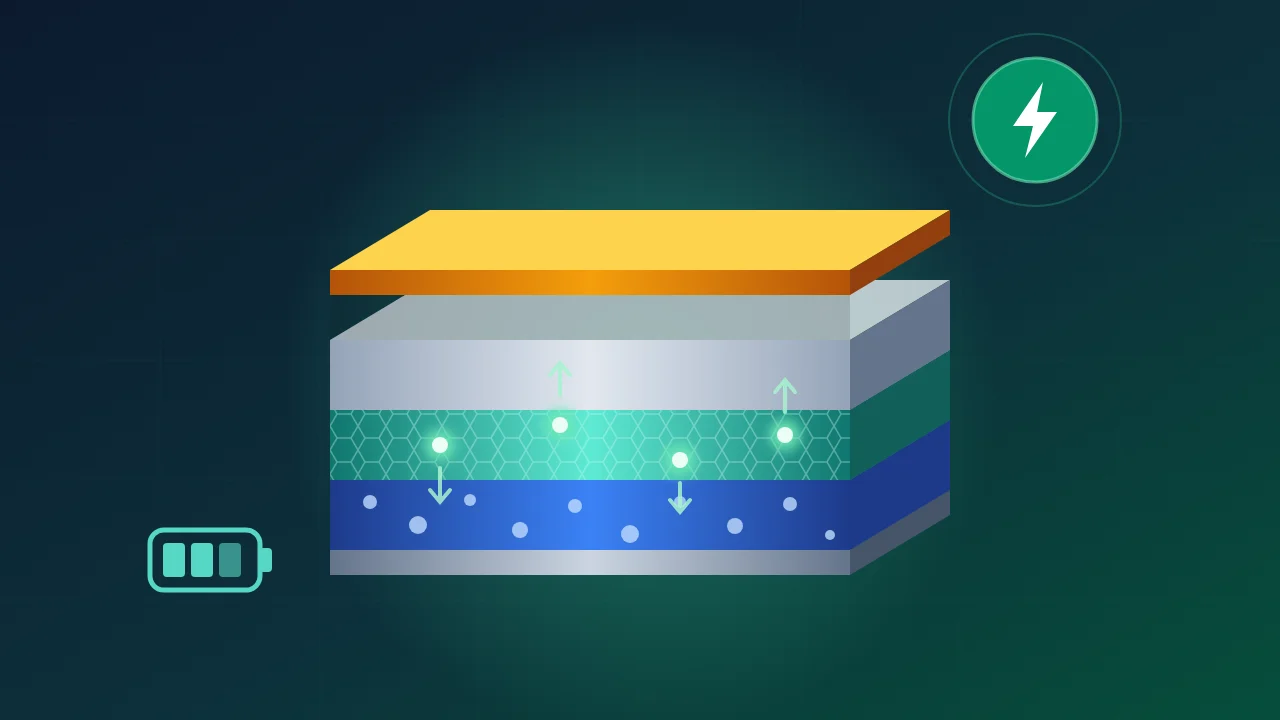
Every few months, a carmaker or a battery start-up announces a breakthrough in solid-state batteries. They are often described as the technology that will finally make electric cars cheaper, lighter and as quick to "refuel" as a petrol car. The reality is more nuanced, but the promise is real.
What is a solid-state battery?
Today's electric cars use lithium-ion batteries. Inside each cell, lithium ions travel between two electrodes through a liquid electrolyte. A solid-state battery replaces this liquid with a solid electrolyte, made of ceramic, glass, sulphide or polymer materials.
That change sounds small, but it opens the door to a different chemistry: the solid electrolyte can make it possible to use a lithium-metal anode, which stores much more energy than the graphite anode used in most current cells.
The expected advantages
- Higher energy density: more kilowatt-hours in the same volume or weight, which means more range or a lighter car.
- Faster charging: some prototypes are designed to accept very high charging power with less heat build-up.
- Improved safety: without a flammable liquid electrolyte, the risk of thermal runaway (battery fire) is expected to be lower.
- Longer life: some designs aim for more charge cycles before significant capacity loss.
Why they are not in every car yet
Building solid-state cells in the laboratory is one thing; producing millions of them reliably and at a reasonable cost is another. Engineers still have to solve several problems:
- Dendrites: tiny lithium filaments can grow through the electrolyte and cause short circuits.
- Interfaces: keeping perfect contact between solid layers while the cell expands and contracts during charging is difficult.
- Manufacturing: many solid electrolytes are sensitive to humidity or require high pressure, which complicates mass production.
- Cost: new materials and new factories make the first cells much more expensive than current lithium-ion cells.
Semi-solid batteries: an intermediate step
While waiting for "all-solid" cells, some manufacturers already use semi-solid batteries, which contain a reduced amount of liquid or gel electrolyte. A few Chinese models have been offered with this type of pack. It is a useful stepping stone, but it does not deliver all the benefits announced for true solid-state technology.
When can we expect them?
Several carmakers, including Toyota, have announced plans to introduce solid-state batteries in limited volumes in the second half of the decade, often first in premium or performance models. Wider adoption in affordable cars will depend on how quickly production costs fall.
In the meantime, conventional lithium-ion batteries keep improving. LFP (lithium iron phosphate) cells have become cheaper and more durable, and new cell formats allow faster charging. Many cars sold today already offer 400 to 600 km of range and can recharge from 10 to 80% in around 20 to 30 minutes.
Should you wait before buying an EV?
For most drivers, the answer is no. Solid-state batteries will arrive gradually and will probably be expensive at first. If a current electric car meets your daily needs and your budget, waiting several years for a technology that is not yet available in mass-market models means missing out on today's savings on fuel and maintenance.
Solid-state batteries are a promising evolution, not a reason to put your plans on hold. We will follow the first real-world models closely and report on their actual performance.